Spotlight: Gregory Tiersma-Woollgar
On the transition from seeing Canada as a "reluctant outside node" to navigating the core of the international modern art market.
.svg)
On the transition from seeing Canada as a "reluctant outside node" to navigating the core of the international modern art market.
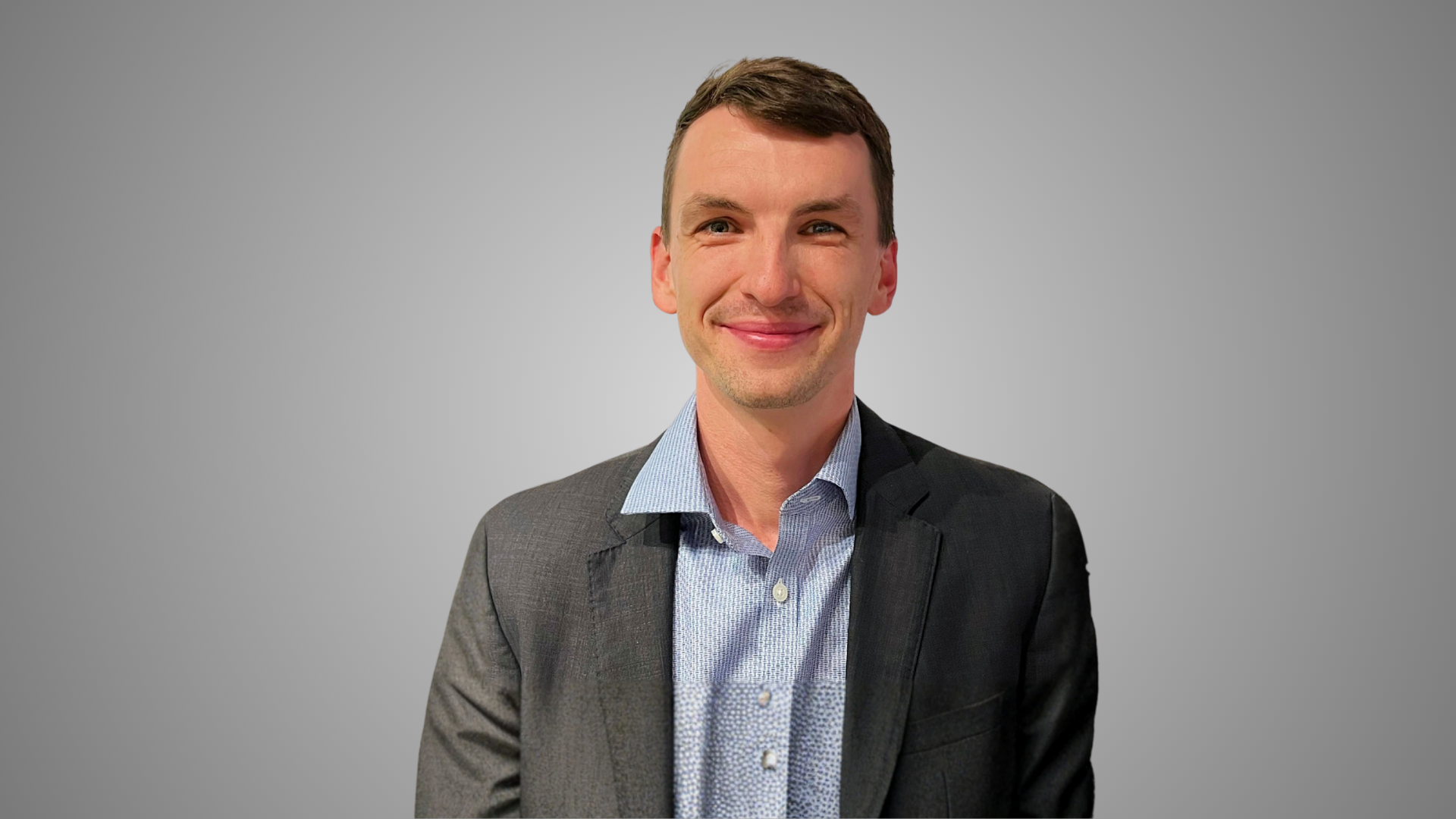
Gregory is the director of Galerie Gmurzynska in Zürich, Switzerland, a 60-year-old international modern art gallery, leading in the fields of 20th century early abstraction, Eastern European avant-garde, and modern masters. Gregory leads the publication of books, execution of exhibitions, support of museums, and representation of the gallery at international art fairs. Following university degrees in art history from University of British Columbia and University of Oxford, Gregory developed experience with private art collections, including the Audain Art Museum (Whistler), Rennie Collection (Vancouver) and Paul G. Allen Collection (Seattle). Gregory is originally from Toronto and has since lived in Germany, USA, Chile, UK and now Switzerland.
I could not be more grateful for my formation in Canada, studying art history at UBC in Vancouver where figures such as Beau Dick and Serge Guillbaut were part of the everyday scene. We were surrounded by great artists and steeped in theory and critical perspectives. My early experiences at the Audain Art Museum in Whistler and the Rennie Collection in Vancouver brought me deeper in touch with great ideas and people. As these people — curators, collectors, artists — quickly passed through, they would speak of where they had been, where they were going, and what was happening. These conversations gave the unfortunate sense that the art world was out there and that in Canada we were just some outside node — of course a great node with a valuable perspective — but far from central or important. This realization became my reluctant challenge that I ought to operate more widely.
Some of the most elusive factors to attract artistic involvement and investment are already happily enjoyed by Canada, namely: stability, free expression, and accessibility. Without these assurances, an international gallery would not even begin to consider a deeper involvement in any country, as the market conditions are already precarious and diffuse enough. There is always room for improvement in terms of customs procedures and other practical arrangements such as tax treatment. But from a larger perspective, major galleries — and other market players — would move directly into Canada if there were local demand and a collector base for mainstream international art, which was not already captured by New York, Los Angeles and even London. At first it sounds improbable or far-fetched, but as private collectors start buying international artists at Canadian fairs and auctions and refuse to buy elsewhere, the rest would follow quickly, as galleries love to catch a trend.
Canada punches far above its weight in terms of significant contemporary artists and leading with some of the most prescient artistic themes of today, such as environmental practice and cultural hybridity. I am glad to see the rising international relevance of some of the Vancouver School such as Jeff Wall, Rodney Graham and Stan Douglas, who I foresee to be even more relevant for coming generations of artists and art history textbooks. One leading aspect of the Canadian art scene which I would love to see replicated and distributed wider is the robust environment of publishing by artists and critics. AA Bronson has been a great proponent of this environment and this example could only be pushed further.
My writing during my studies revolved around the idea of artistic legacy and posthumous art, thinking about how artistic agency can move outside of the person to survive the end of life and resonate into the future. This procedure of ensuring legacy is very fickle — needless to say, not everything can be remembered and saved. It requires a nuanced interplay of museum shows, academic and editorial publishing, just the right amount of market activity, and good practices by the studio/estate/foundation. A good place for galleries to start is to support academics and publishing and maintain close relationships with them to continue the discussion around their artists.
The art world is above all else a human and relationship ordered world. Really there are many worlds with distinctive perspectives and roles, which require personal connections to have any insight and to cut through the noise. Speaking personally, the communities I have built in the arts have been the most redeeming element of my sojourn here and I believe the only reason I know anything at all. To be provocative, I learn more from speaking with art technicians than curators.
Interior designers.
Mainstream art professionals generally draw upon the same sources and frameworks, which allows for some predictability and a manageable — at least navigable — interplay of interests. We visit the same shows; we read the same books and articles; we speak the same language. The wildcard in the equation are interior designers, who certainly can put their thumb on the scale in asymmetric ways.
Have news, industry insights, or features on Canadian exhibitions you'd like to share? Please get in touch with us here.
%20(2).svg)
%20Hannah%20Goldsmith-42.jpeg)

